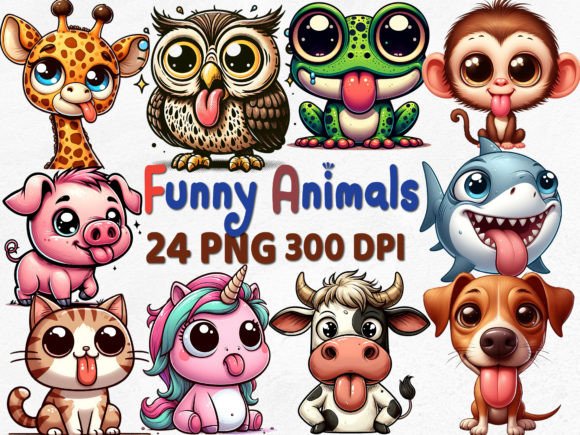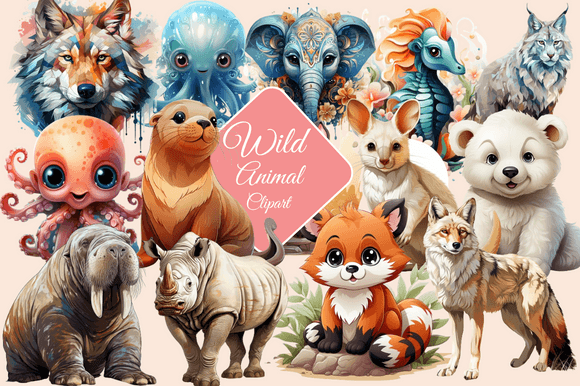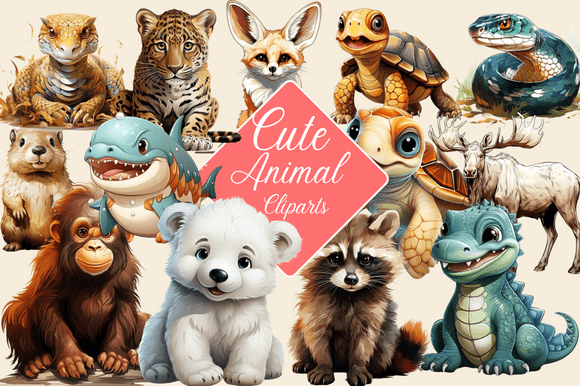
Adorable Water Color Animal Faces Clipart for Creative Projects
Understanding the Whimsical Appeal of Patchwork Animal Clipart
There's a particular kind of warmth that hand-painted textures bring to a design. When you look at a set of Water Color Animal Faces Clipart, specifically those designed to look like patchwork quilts, you aren't just seeing an illustration; you are seeing a tactile experience. These assets bridge the gap between digital precision and the cozy, imperfect nature of handmade crafts. The visual characteristics are defined by soft, bleeding edges typical of watercolors, combined with the geometric structure of quilt blocks. This creates a unique aesthetic that feels both organic and structured.
The personality of this clipart style is undeniably approachable. It evokes a sense of nostalgia, reminiscent of childhood nurseries or grandmother’s living room. For designers and entrepreneurs, this emotional trigger is powerful. It softens a brand's image instantly. Unlike the cold, vectorized graphics often seen in tech or corporate spaces, these Cute Animals Wearing Patchwork Quilt Clipart offer a human touch. The style works exceptionally well for projects aiming to convey care, comfort, and artisanal quality. Whether you are designing a logo for a local bakery or creating social media graphics for a lifestyle coach, the texture of watercolor adds a layer of authenticity that flat colors simply cannot replicate.
Practical Applications: From Digital Layouts to Physical Stationery
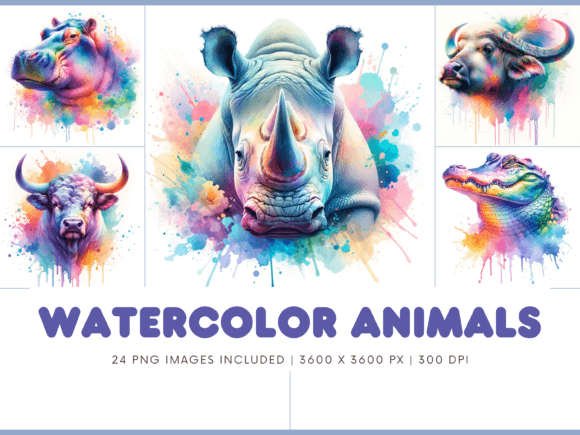
The versatility of high-quality design assets is what determines their value. With a set of 24 images at 3600 x 3600 pixels and 300 DPI, the Patchwork Animal Clipart is built for heavy lifting across various mediums. You don't have to worry about pixelation when moving from a small business card to a large wall art print. This resolution is critical for professional print work. It ensures that the intricate details of the watercolor texture—the grain of the paper and the flow of the pigment—remain crisp.
For those in the publishing world, these illustrations are a goldmine. Imagine using them for birth announcements or birthday cards. The imagery provides a ready-made focal point that requires minimal additional design work. Similarly, for blog designs and website designs, these faces can serve as engaging mascots or section breakers. They draw the reader's eye without overwhelming the text. I often recommend using such assets to create a cohesive visual language. You can take the same animal face used on a blog header and repurpose it for planner stickers or junk journals, creating a seamless brand experience for your audience.
Here are a few specific use cases where this style excels:
- Nursery Decor and Invitations: The soft palette and gentle subjects make them ideal for baby showers and kids' rooms.
- Scrapbooking and DIY Projects: The "patchwork" element mimics actual fabric, making them perfect for hybrid crafting.
- Packaging Design: Small businesses selling handmade goods, such as soaps or candles, can use these to create labels that feel authentic.
- Digital Backgrounds: Using a blurred or tiled version of these cliparts can create subtle, textured backgrounds for social media quotes.
Integrating Clipart into Your Brand Identity and Visual Hierarchy
Using Water Color Animal Faces Clipart is more than just decoration; it is a strategic choice in brand identity. In a crowded market, visual recognition is key. If you consistently use a specific patchwork fox or bear across your social media graphics, your audience will begin to associate that character with your content. This builds a subconscious connection. It moves your brand from being a faceless entity to a recognizable personality.
When incorporating these assets, consider the principles of visual hierarchy. A large, colorful animal face naturally draws attention. Use this to your advantage. Place the clipart near your headline or your Call to Action (CTA). However, be mindful of balance. Because watercolor textures are visually "busy," they pair best with clean, legible typography. I suggest pairing these illustrations with a clean sans serif font for body text to ensure readability. A script font can work for headers, but it should be a modern, simple script so it doesn't compete with the complexity of the patchwork texture.
Design Strategy: Pairing and Professionalism
One of the most common questions I hear from clients is about font pairing and mixing styles. When you have such distinct design assets, you want to ensure they enhance rather than clash. Think of the clipart as the "voice" of your design. If the animal is whimsical and soft, your typography should support that mood without shouting over it.
For example, if you are designing business cards for a children's photographer, you might use the clipart as a background element at low opacity. Over this, you would place your business name in a bold, legible serif font or a sturdy sans serif font. The contrast between the organic watercolor background and the structured text creates a professional look that feels intentional rather than chaotic. This approach demonstrates an understanding of modern typography and design principles.
Furthermore, consider the commercial aspect. Since these are licensed for both personal and commercial use, they are a safe investment for entrepreneurs. You can use them on merchandise, hardcovers, and packaging without legal headaches, provided you adhere to the license terms. This allows for scalability. You can start by using the clipart on your stationery and wrapping paper and eventually expand to decorated furniture or larger prints as your business grows.
Final Thoughts on Elevating Your Creative Work
The goal of any design project is communication. Whether you are writing a book, designing a logo, or crafting a handmade stationery set, you want your audience to feel something. Cute Animals Wearing Patchwork Quilt Clipart offers a shortcut to warmth and friendliness. They provide a high-quality foundation that saves you time in the creation process while elevating the perceived value of the final product.
Don't be afraid to experiment. Try using these on jewelry designs or as digital scrapbooking layouts. The high resolution means you can crop in tight on a specific detail—like an ear or a paw—for a unique texture effect. By treating these assets as integral parts of your design system rather than just add-ons, you ensure that your projects look cohesive, professional, and emotionally resonant. Ultimately, good design is about solving problems, and finding reliable, beautiful assets like these is half the battle won.